The short answer
If someone tells you that you stop breathing, gasp, or snore loudly night after night, or you are exhausted in a way that coffee cannot explain, ask a clinician about a sleep apnea evaluation. It often includes a sleep study.
Snoring has more than one cause and not everyone who snores has sleep apnea, so this is a reason to ask, not a diagnosis.
What sleep apnea is
Sleep apnea is a common condition in which breathing stops and restarts many times during sleep, which can keep the body from getting enough oxygen.
You do not need to decide which type you have. That is what evaluation is for.
Two types that share a name
Obstructive sleep apnea is the most common. The upper airway becomes blocked many times during sleep, reducing or stopping airflow.

Central sleep apnea occurs when the brain does not send the signals needed to breathe.
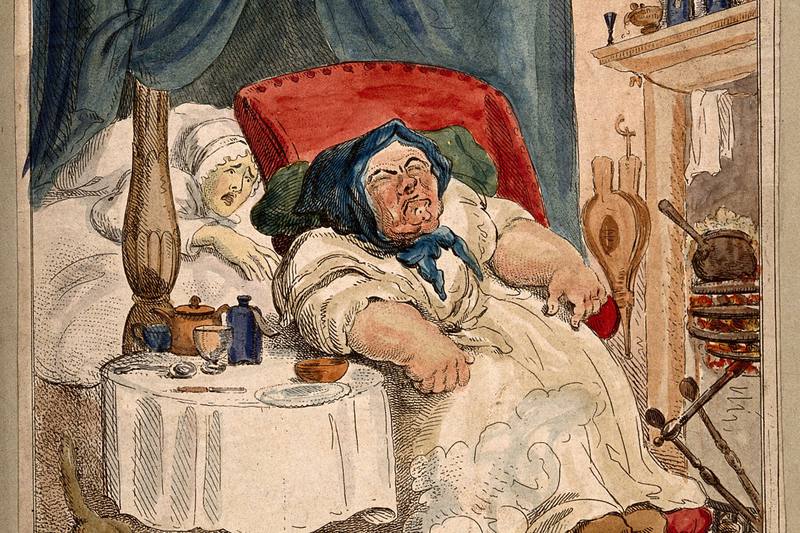
What someone else may notice first
You may not know these are happening until someone tells you.
What you may notice yourself
Daytime sleepiness and tiredness, which can affect learning, focusing, and reacting. Dry mouth. Fatigue. Headache. Insomnia. Sexual dysfunction or decreased libido. Waking often at night to urinate.
The pattern worth your attention is not a single noisy night after a late dinner. It is repeated pauses, gasping, or sleepiness that does not make sense for the hours you spent in bed.
Why it is worth asking
Untreated sleep apnea can affect sleep quality, concentration, decisions, memory, and behavior.
That is a reason to ask. It is not a reason to panic or to invent a home remedy.
What an evaluation usually involves
Talk with your healthcare provider about your symptoms.

The provider will ask about symptoms, risk factors, and family history.
A sleep diary can help you track how long and how well you sleep and how sleepy you feel in the day.
If a clinician later discusses treatment, that conversation belongs with them.
This article is not a how-to for any device, and it does not recommend starting, stopping, or changing a therapy on your own.
A first step you can take this week
Treat a partner’s or companion’s report that you stop breathing, gasp, or snore loudly as information. Treat exhaustion that coffee cannot explain as information too.
Write down what you have noticed, including alcohol close to bedtime and the medicines you take, and take the notes to a clinician.
Asking for an evaluation is not dramatic. It is how an adult checks whether a common, under-recognized condition is sitting underneath “I just don’t sleep well.” For general sleep habits, see How Much Sleep Do Adults Need?
This article is educational and does not diagnose any condition or recommend starting or stopping any medicine. Personal decisions belong with you and a qualified clinician.