




Thursday, November 12, 2026Nov 12, 2026 Editorial archive: 21 pieces, opened November 2026
The Deeper Symptom

Health, the medical system, and what actually fixes problems.

If all you have
is a hammer,
everything looks
like a nail.

Straight talk on health, the medical system, and what actually fixes problems instead of covering them up.

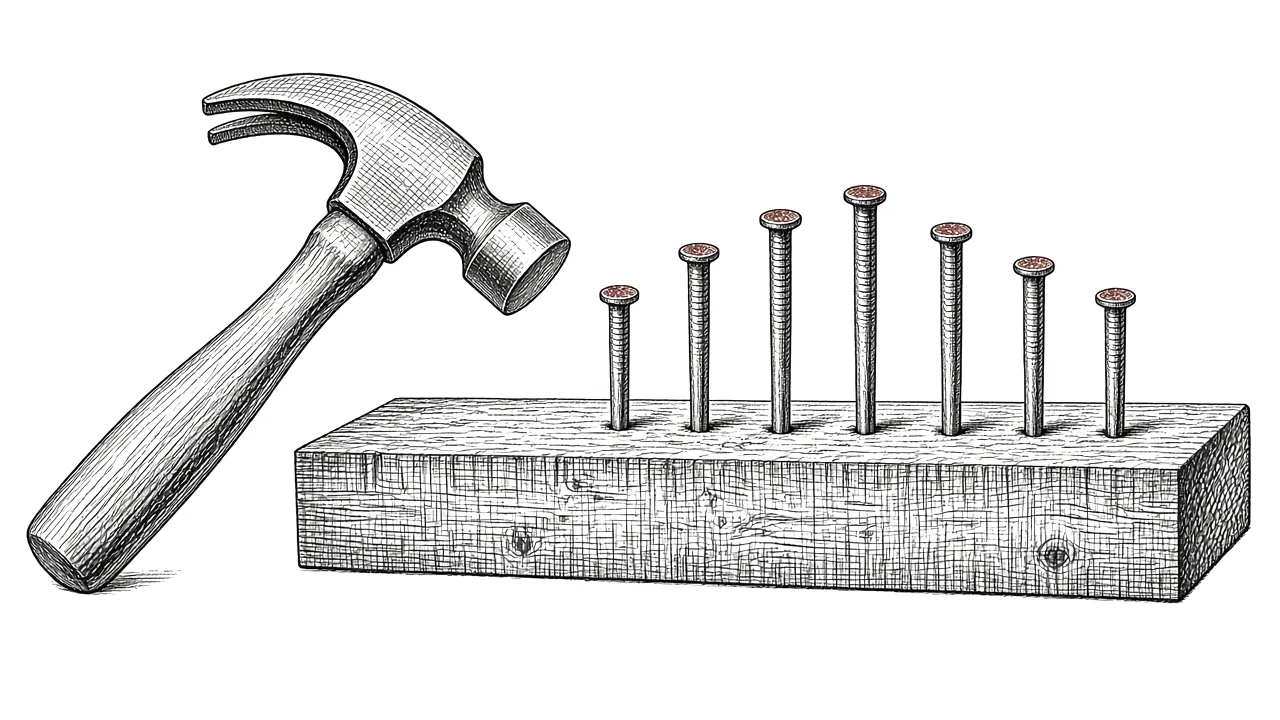
Engraving of a claw hammer beside a plank with seven iron nails standing in it
Plate 1. The usual fix: one tool, seven problems.

The four shelves

  1. Plate I

    Start Here

    Orientation for new readers.

    3 pieces

  2. Plate II

    Daily Levers

    Sleep, food, movement, and stress: the ground everything else stands on.

    7 pieces

  3. Plate III

    Making Sense of Information

    How to read claims, studies, and headlines without getting played.

    6 pieces

  4. Plate IV

    Working With Care

    Getting more out of the care you already have.

    5 pieces

A series

What a Lab Report Can Tell You

Three plain-language pieces on reading the numbers and documents that look official: what they measure, what they leave out, and the questions to ask next.

  1. Part 1. How to Read the Numbers on a Lab Report: Blood Pressure, Cholesterol and A1C
  2. Part 2. Which Health Numbers Are Worth Tracking: Three Logs to Keep and Three Tests to Have Measured
  3. Part 3. How to Read a Peptide Certificate of Analysis: What It Shows and What It Can't Tell You

Latest

  1. Working With Care

    Using a GLP‑1 Medicine Long Term: How Long Trials Ran, What Labels Warn About, and What Happened After Stopping

    Major trials followed people for a few years, labels carry serious warnings, and in withdrawal studies much of the weight change did not stay off. Here are the numbers and the questions to take to the prescriber.

    5 min read · 8 sources

  2. Working With Care

    Do GLP‑1 Medicines Extend Lifespan? No FDA-Approved GLP‑1 Is Labeled for Longevity

    Approved GLP-1 uses are specific: blood sugar, weight, and certain heart or kidney risks in defined groups. The outcome trials were not lifespan studies, and research-use vials are not a longevity protocol.

    5 min read · 7 sources

  3. Working With Care

    Semaglutide, Heart Risk and Kidneys: What SELECT, FLOW and SUSTAIN 6 Showed, and in Whom

    Large trials found fewer serious heart or kidney events in the specific groups they enrolled. Here are the numbers from SELECT, FLOW and SUSTAIN 6, and why each result stays inside its own population.

    5 min read · 4 sources

  4. Working With Care

    Preventive Screening Without Giving Away Your Judgment: Colorectal, Blood Pressure, Cholesterol and Diabetes

    Most adults should talk about colorectal screening starting at 45, plus blood pressure, cholesterol, and diabetes screening if you have risk factors. Bring your family history and ask what each test is for.

    5 min read · 5 sources

  5. Making Sense of Information

    Peptide Policy Changes Explained: Recategorized Is Not the Same as FDA-Approved

    A change in enforcement posture is not a finding that a substance is safe, effective, or approved. Here is what the 2026 HHS draft peptide policy says, what it leaves unchanged, and why compounded is not approved.

    8 min read · 6 sources

  6. Making Sense of Information

    How to Read a Peptide Certificate of Analysis: What It Shows and What It Can't Tell You

    A certificate of analysis records what a laboratory measured on a sample of one lot. It does not show a product is safe, effective, or suitable for people. Here is how to read each field.

    7 min read · 8 sources

  7. Making Sense of Information

    Which Health Numbers Are Worth Tracking: Three Logs to Keep and Three Tests to Have Measured

    Track what answers a real question and leads to a decision: sleep, movement, and any measurement your clinician asked for. Have blood pressure, cholesterol, and diabetes screening measured, not guessed.

    5 min read · 6 sources

  8. Making Sense of Information

    How to Read the Numbers on a Lab Report: Blood Pressure, Cholesterol and A1C

    A lab number describes risk, not character. See what blood pressure, cholesterol and A1C measure, the cutoffs CDC lists, and five questions to bring to the visit.

    5 min read · 3 sources

  9. Making Sense of Information

    How to Weigh a Supplement Claim: Five Questions to Ask Before You Believe the Label

    FDA does not approve dietary supplements for safety and effectiveness before they are sold, and “natural” is not a safety certificate. Ask five questions before you believe a label.

    5 min read · 2 sources

More from the archive

All 21 pieces in the archive